FDIC-Insured - Backed by the full faith and credit of the U.S. Government
F&M Bank 
Online Banking


Download our app
Just scan the QR code and grab our mobile banking app—it’s super easy and makes banking a breeze!
Download our app
Tap the badge and grab our mobile banking app—it’s super easy and makes banking a breeze!
not featured
2026-04-22
Money & Everyday Banking
published
3 min read
.png)
Buy Now, Pay Later vs. Layaway vs. Credit Cards
Buy Now, Pay Later vs. Layaway vs. Credit Cards: What’s the Best Option for You? Compare BNPL, layaway, and credit cards to find your best fit.
When it comes to making a purchase, you have more payment options than ever before. From traditional credit cards to Buy Now, Pay Later (BNPL) services and even layaway programs, each option offers a different way to manage your money.
But which one is right for you?
Let’s break down how each works—and when it might make the most sense.
What is Buy Now, Pay Later (BNPL)?
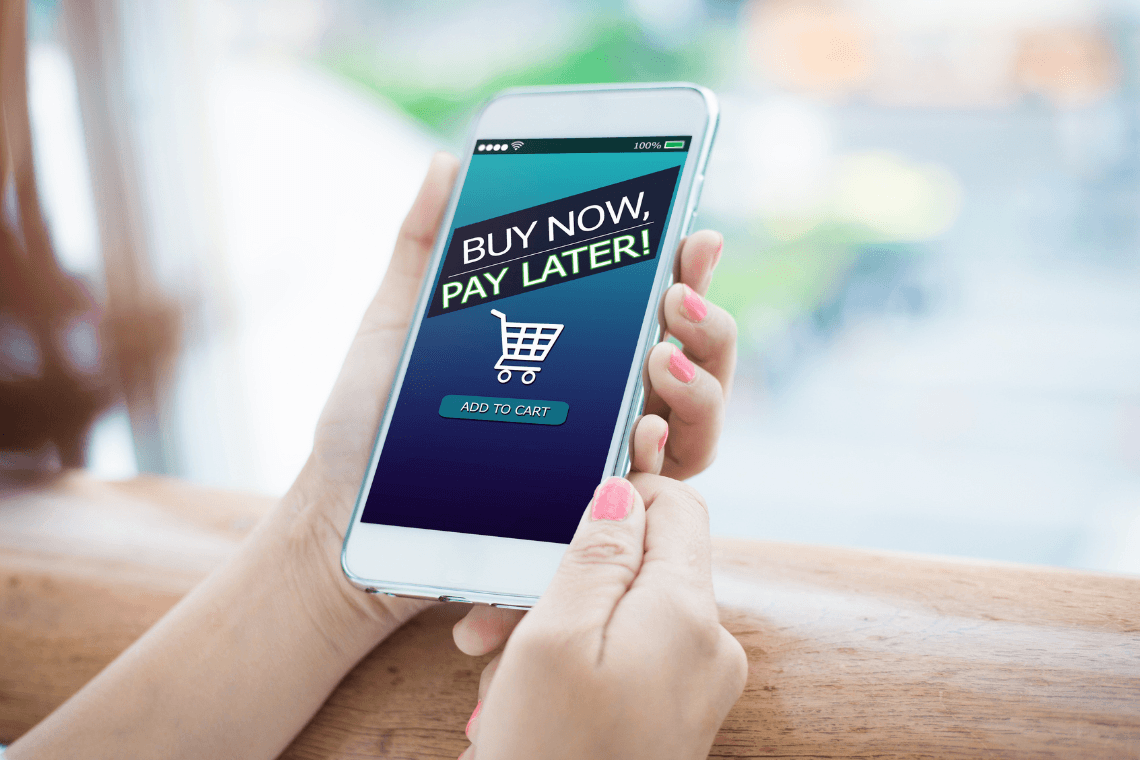
Buy Now, Pay Later allows you to split a purchase into smaller payments over time—often with no interest if payments are made on schedule.
You’ve probably seen BNPL options like:
- “Pay in 4 installments”
- “0% interest if paid in 6 weeks”
Over the past few years, BNPL has gone from a newer concept to a mainstream payment method, used by millions of Americans for everything from clothing and electronics to groceries and everyday essentials.
Pros of BNPL:
- No interest (if payments are made on time)
- Quick approval process
- Easy, predictable payment schedule
Things to Consider:
- Multiple purchases can lead to multiple payment schedules, which can be hard to track
- Late or missed payments may include fees
- Some providers now report activity to credit bureaus, which could impact your credit
What is Layaway?
Layaway is a more traditional approach that allows you to pay for an item over time—but you don’t take it home until it’s fully paid off.
While it’s less common today, some retailers still offer layaway programs, especially during the holiday season.
Pros of Layaway:
- No debt or interest
- No impact on your credit score
- Encourages disciplined saving
Things to Consider:
- You don’t receive the item until it’s paid in full
- Less flexibility compared to other options
- May include small service or cancellation fees
How Do Credit Cards Compare?
Credit cards remain one of the most widely used payment options—and for good reason. They offer flexibility, rewards, and the opportunity to build your credit history.
Pros of Credit Cards:
- Ability to build and strengthen your credit
- Rewards programs (cash back, points, travel perks)
- Purchase protections and fraud safeguards
Things to Consider:
- Interest charges can add up quickly if balances aren’t paid in full
- Minimum payments can extend debt over time
- Requires discipline to avoid overspending
Key Differences at a Glance
| Feature | BNPL | Layaway | Credit Cards |
|---|---|---|---|
| Interest | Often 0% (if on time) | None | Varies (can be high) |
| Immediate Ownership | Yes | No | Yes |
| Credit Impact | Sometimes | No | Yes |
| Payment Flexibility | Fixed installments | Fixed payments | Flexible (min. payments) |
| Risk Level | Moderate | Low | Moderate to High |
When Should You Use Each Option?
There’s no one-size-fits-all answer—but here are a few general guidelines:
BNPL may be a good fit if:
- You have a planned purchase and can comfortably manage the payment schedule
- You want to avoid interest and fees
- You’re confident you won’t miss a payment
Layaway may be a better choice if:
- You prefer a no-debt approach
- You don’t need the item right away
- You want to stick to a strict budget
A credit card may make sense if:
- You want to build or maintain your credit
- You plan to pay off your balance in full each month
- You want to take advantage of rewards or protections
The Bottom Line
Today’s payment options offer more flexibility than ever, but they also require more awareness.
Buy Now, Pay Later has become a convenient way to spread out payments, but it’s important to stay organized and avoid taking on more than you can handle. Layaway remains a low-risk option for those who prefer to pay before they take home a purchase. And credit cards continue to be a powerful financial tool when used responsibly.
At F&M Bank, we’re here to help you make informed financial decisions that support your goals—today and in the future.