FDIC-Insured - Backed by the full faith and credit of the U.S. Government
F&M Bank 
Online Banking


Download our app
Just scan the QR code and grab our mobile banking app—it’s super easy and makes banking a breeze!
Download our app
Tap the badge and grab our mobile banking app—it’s super easy and makes banking a breeze!
featured
2026-04-09
Business & Ag Insights
published
4 min read
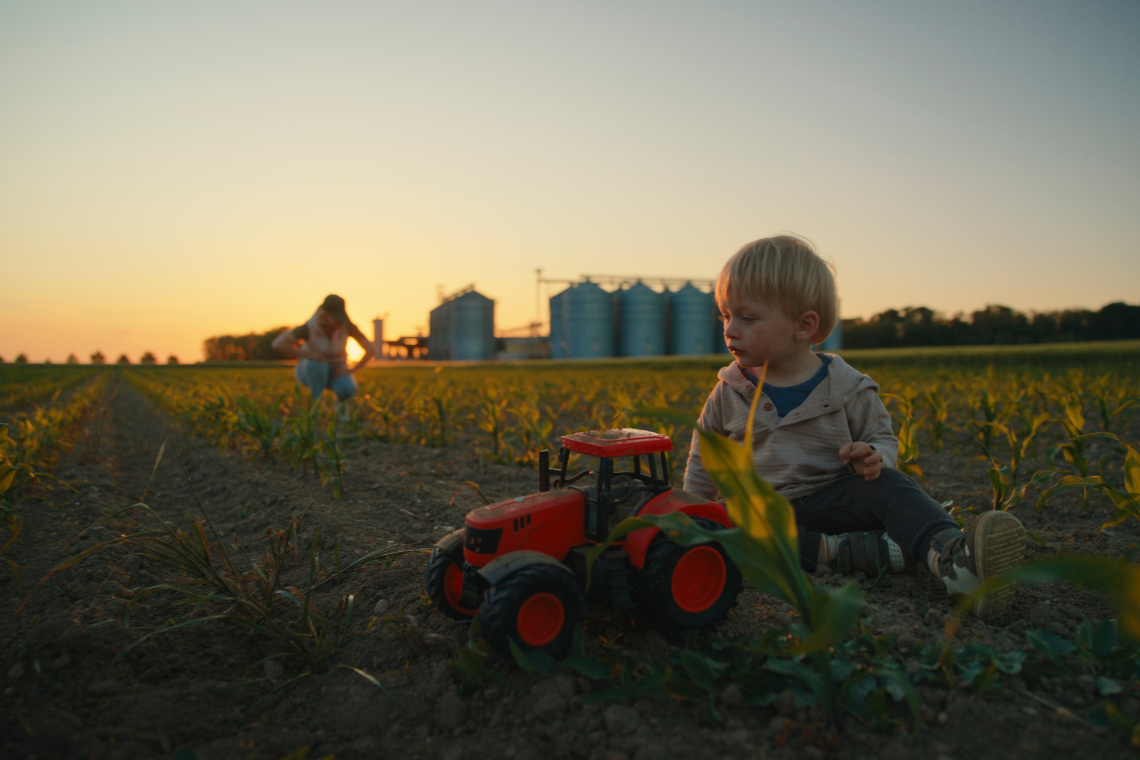
How to Start a Farm in Virginia: A Guide for New Farmers
Starting a farm in Virginia has never been more accessible. With expanded funding opportunities, strong support programs, and local expertise, today’s farmers have the tools they need to succeed. This guide walks you through the key steps—from planning and financing to connecting with resources across the Commonwealth.
Starting a farm in Virginia is more than a business decision, it’s a commitment to your land, your community, and a way of life that has shaped the Shenandoah Valley for generations.
Whether you’re returning to your roots or starting fresh, there’s never been a better time to explore agriculture. With expanded resources, funding opportunities, and strong local support systems, today’s farmers have more tools than ever to succeed.
Here’s what you need to know to get started.
1. Define Your Farm VisionBefore you purchase land or equipment, take time to clearly define what you want your farm to be.
Ask yourself:
- What will you produce? (livestock, row crops, produce, specialty items)
- Who will you sell to? (farmers markets, CSA, wholesale, agritourism)
- What size operation fits your lifestyle and goals?
Virginia’s agricultural landscape is diverse—from cattle farms to vineyards to small specialty operations—so clarity early on will help guide every decision that follows.
2. Build a Farm Business PlanA successful farm starts with a solid plan.
Your business plan should outline:
- Startup and operating costs
- Revenue projections
- Equipment and labor needs
- Marketing strategy
Tools like AgPlan and resources from Virginia Cooperative Extension can help you structure your plan and think through the financial realities of farming.
This step is also essential if you plan to apply for financing or grants.
3. Secure Land and Understand Local RegulationsFinding the right land is one of the most important decisions you’ll make.
Consider:
- Soil quality and water access
- Proximity to markets
- Zoning and land-use regulations
Each county in Virginia may have different requirements, especially if you plan to sell products directly to consumers or host agritourism activities.
You’ll also want to explore farmland preservation programs and tax considerations that can impact your long-term investment.
4. Tap Into Virginia’s Farmer Support ProgramsOne of the biggest changes in recent years is the growth of programs designed specifically to support new farmers.
In Virginia, you have access to:
- Virginia Beginning Farmer & Rancher Coalition – training, mentoring, and networking
- Virginia State University Small Farm Outreach Program – hands-on education and one-on-one assistance
- Virginia Cooperative Extension – local expertise and workshops
At the federal level, the USDA also offers dedicated support for beginning farmers, including access to loans, insurance programs, and disaster assistance.
These programs can help shorten your learning curve and connect you with experienced producers across the state.
5. Explore Grants and Cost-Share OpportunitiesFunding is one of the most common challenges for new farmers—but there are more options available today than ever before.
Some key opportunities include:
- Virginia Agricultural BMP Cost-Share Program (help with conservation practices)
- USDA Value-Added Producer Grants (to expand and market your products)
- SARE Grants (for sustainable and innovative farming practices)
These programs can significantly offset startup costs, improve efficiency, and support long-term growth.
6. Finance Your Farm OperationEven with grants and cost-share programs, most farms require additional financing to get off the ground or scale.
Common financing needs include:
- Land purchases
- Equipment and machinery
- Livestock
- Operating expenses and seasonal cash flow
Working with a local lender who understands agriculture can make a meaningful difference. At F&M Bank, our ag lenders take the time to understand your operation and provide tailored solutions that support your goals—whether you’re just getting started or expanding an existing farm.
7. Build Your NetworkFarming is deeply rooted in community, and your network will be one of your most valuable assets.
Consider connecting with:
- Local farmers and mentors
- Extension agents
- Agricultural organizations
- Farmers markets and co-ops
Building relationships not only provides support and guidance but can also open doors to new opportunities and markets.
8. Embrace Modern Farming TrendsToday’s farms are evolving, blending tradition with innovation.
Some trends shaping agriculture in Virginia include:
- Sustainable and regenerative practices
- Agritourism experiences (farm stays, events, pick-your-own operations)
- Direct-to-consumer sales through online platforms and farm markets
- Technology adoption, from precision agriculture to data tracking
Adapting to these trends can help improve efficiency, diversify income, and strengthen your connection with customers.
Helpful Resources for Virginia FarmersIf you’re just getting started, these organizations are a great place to begin:
- Virginia Department of Agriculture and Consumer Services (VDACS)
- Virginia Cooperative Extension
- Virginia Farm Link
- USDA Service Centers
- Virginia Farm Bureau
Each offers valuable tools, education, and connections to support your journey.
Let’s Grow Together
Starting a farm takes dedication, planning, and the right partners by your side.
At F&M Bank, we’ve proudly supported local farmers for generations. We understand the unique challenges and opportunities that come with agriculture in the Shenandoah Valley and beyond.
Whether you’re purchasing land, financing equipment, or planning for the future, our team is here to help you grow with confidence.
Ready to take the next step? Connect with our agricultural lending team today.