FDIC-Insured - Backed by the full faith and credit of the U.S. Government
F&M Bank 
Online Banking


Download our app
Just scan the QR code and grab our mobile banking app—it’s super easy and makes banking a breeze!
Download our app
Tap the badge and grab our mobile banking app—it’s super easy and makes banking a breeze!
not featured
2026-04-09
Business & Ag Insights
published
5 min read
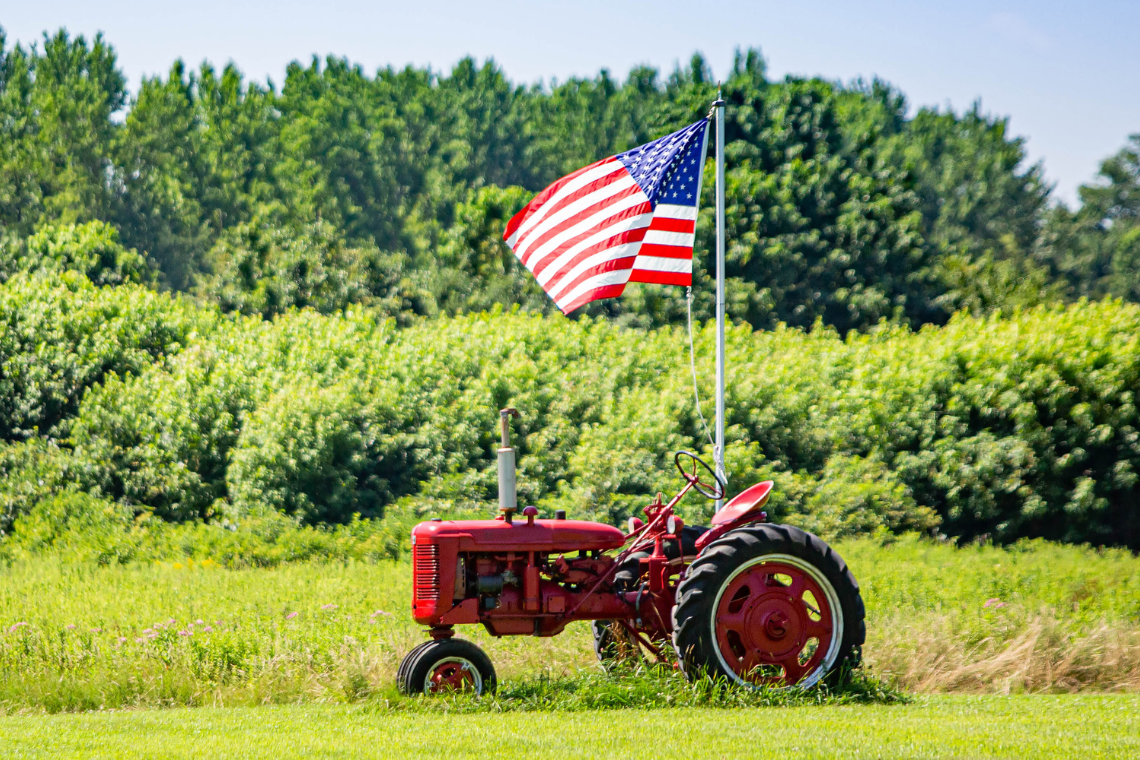
The U.S. Farm Bill
The U.S. Farm Bill has been extended through 2026—but uncertainty remains. Learn what the latest updates mean for farmers, key programs still in place, and how to prepare for what’s next.
The U.S. Farm Bill in 2026: What Farmers Need to Know Right Now
The U.S. Farm Bill is one of the most important pieces of legislation for agriculture, impacting everything from crop insurance and commodity programs to conservation and rural development.
But as of 2026, the Farm Bill is in a period of uncertainty.
If you're a farmer, agribusiness owner, or landowner, here’s what you need to know about the current status of the Farm Bill, what’s changed since 2023, and how it could impact your operation moving forward.
What Is the Farm Bill?
The Farm Bill is a comprehensive federal law that shapes U.S. agriculture and food policy. It is typically renewed every five years and includes programs such as:
- Commodity price support and income protection
- Crop insurance
- Conservation programs
- Farm credit and rural development
- Nutrition programs like SNAP
Because of its broad scope, the Farm Bill influences not just farmers, but the entire food system and rural economy.
Current Status of the Farm Bill (2026 Update)
The most recent full Farm Bill—the Agriculture Improvement Act of 2018—was originally set to expire in 2023.
However, Congress has extended it multiple times due to ongoing negotiations:
- Extended through 2024
- Extended again through 2025
- Now extended through September 30, 2026
Despite proposals introduced in 2024 and updates discussed in 2025, lawmakers have not yet passed a fully reauthorized Farm Bill.
What this means:
- Existing programs are still in place
- Funding levels are largely unchanged
- Long-term policy direction remains uncertain
Why Has a New Farm Bill Been Delayed?
Several factors have contributed to delays:
1. Political Disagreements
Debate continues over funding priorities, particularly between:
- Commodity programs vs. nutrition programs (like SNAP)
- Conservation funding vs. budget constraints
2. Budget Pressures
Large-scale federal spending negotiations have made it harder to finalize a multi-year bill.
3. Complex Policy Changes
Proposed updates include:
- Adjustments to safety net programs (ARC/PLC)
- Changes to SNAP eligibility and funding formulas
- Conservation and climate-related initiatives
Some elements have been addressed through separate legislation, but not in a comprehensive bill.
What’s Been Passed Instead? (Recent Updates)
While a full Farm Bill hasn’t passed, several interim actions have occurred:
1. One-Year Extensions
Congress has kept programs running by extending the 2018 bill multiple times.
2. Supplemental Agricultural Support
Recent legislation has included:
- Disaster relief funding for farmers
- Commodity assistance programs
- Temporary updates to safety net programs
3. Partial Policy Changes
Some farm policy elements were addressed through budget reconciliation efforts in 2025, but many areas remain unresolved.
What Happens If a New Farm Bill Isn’t Passed?
If Congress fails to pass or extend a Farm Bill, the U.S. could revert to outdated “permanent law” from the 1930s and 1940s.
This could:
- Disrupt commodity markets
- Trigger outdated price support formulas
- Increase government intervention in unpredictable ways
Because of this risk, Congress has historically chosen to extend the bill rather than allow it to expire completely.
Key Programs Still Available to Farmers
Even with the uncertainty, many critical programs remain active under the extension:
- Agriculture Risk Coverage (ARC) & Price Loss Coverage (PLC)
- Dairy Margin Coverage (DMC)
- Crop insurance programs
- Conservation programs through USDA
These programs continue to provide a financial safety net amid market volatility.
What Farmers Should Be Doing Now
With the Farm Bill still unresolved, the best strategy is preparation and flexibility:
1. Strengthen Your Financial Position
Work with your lender to ensure:
- Adequate operating capital
- Risk management strategies
- Long-term planning flexibility
2. Stay Informed on Policy Changes
The next Farm Bill could bring:
- Adjustments to payment limits
- Changes to conservation incentives
- New eligibility requirements
3. Plan for Uncertainty
The next full Farm Bill may not be finalized until late 2026 or beyond.
How the Farm Bill Impacts Local Agriculture
For farmers in Virginia and across the Shenandoah Valley, the Farm Bill directly affects:
- Access to operating capital
- Risk protection during market swings
- Conservation and land management funding
- Long-term farm profitability
At a local level, these programs help stabilize both individual operations and the broader agricultural economy.
Looking Ahead: What to Expect Next
Here’s what to watch moving forward:
- Continued negotiations in Congress
- Potential short-term extensions beyond 2026 if needed
- Ongoing adjustments through supplemental legislation
- Increased focus on risk management and resilience
While the timeline remains uncertain, the outcome of the next Farm Bill will shape agriculture for years to come.
Partnering Through Uncertainty
Periods like this highlight the importance of having a trusted financial partner who understands agriculture.
At F&M Bank, we’ve supported local farmers for generations with:
- Flexible financing solutions
- Equipment and land loans
- Operating lines of credit tailored to your needs
As policy evolves, we’re here to help you adapt and move forward with confidence.
Final Thoughts
The Farm Bill may be delayed—but its impact hasn’t gone away.
Understanding where things stand today can help you make smarter decisions for tomorrow.