FDIC-Insured - Backed by the full faith and credit of the U.S. Government
F&M Bank 
Online Banking

Download our app
Just scan the QR code and grab our mobile banking app—it’s super easy and makes banking a breeze!
Download our app
Tap the badge and grab our mobile banking app—it’s super easy and makes banking a breeze!
not featured
2024-12-18
News & Updates
published
3 min read
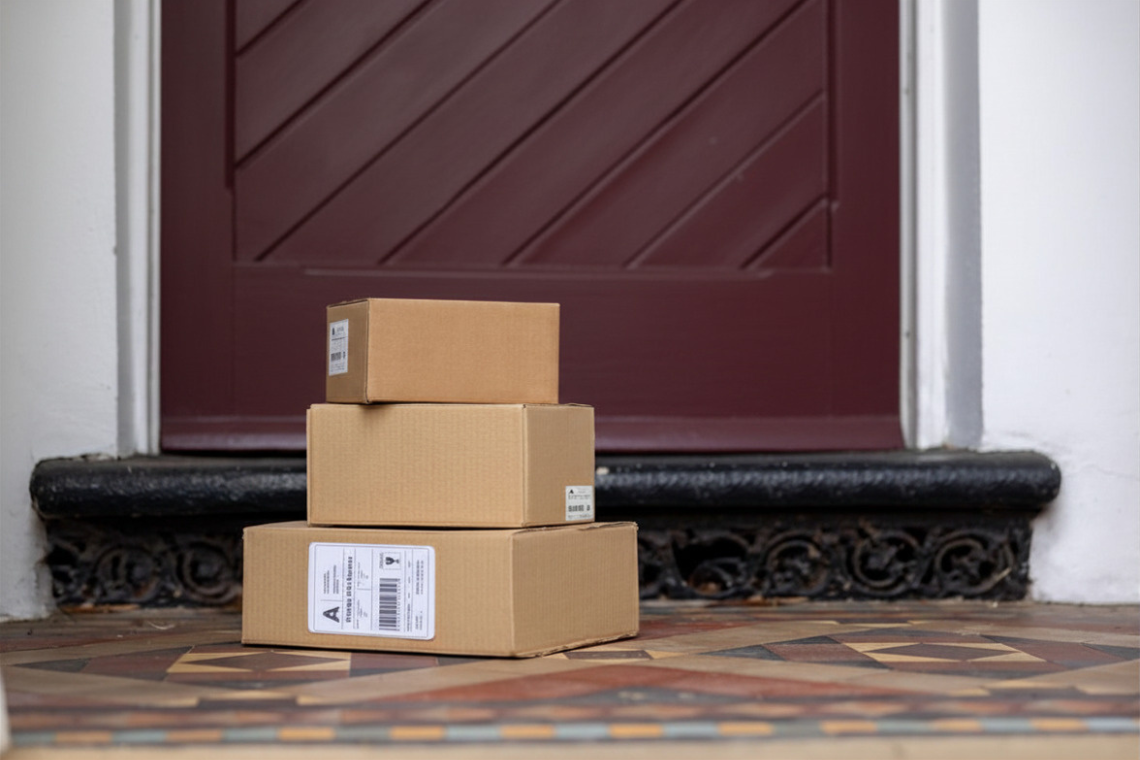
What is a Brushing Scam? Why “Free Stuff” Isn’t Good News
Received a package you didn’t order? It could be a brushing scam. Learn how this deceptive tactic works, why it happens, and the simple steps you can take to protect your personal information.
Imagine this: a package arrives at your doorstep that you didn’t order. It seems harmless—even exciting—but it could mean you’re the target of a “brushing” scam.
How Brushing Scams Work:
- Fake Orders: Scammers send real packages to your address, often inexpensive items like gadgets, beauty products, or household goods.
- Inflated Reviews: Using your name and address, scammers create fake accounts to post 5-star reviews, boosting product ratings and deceiving other shoppers.
- Stolen Information: Your personal data—like your name, address, or contact details—has likely been leaked or stolen.
Why Brushing Scams Put Your Information at Risk:
- Fraudulent Reviews: Scammers use your “verified purchase” as a loophole to make their products appear more trustworthy. This unfair practice misleads consumers who rely on reviews to make informed decisions.
- Compromised Data: Receiving an unexpected package is a sign your personal information is exposed. Scammers might have obtained your data through breaches, phishing scams, or data leaks.
- Bigger Risks: While brushing scams often stop at packages, they can escalate. Scammers may use your data for identity theft, unauthorized accounts, or financial fraud.
What to Do If You Receive an Unordered Package
- Don’t Keep Quiet: Report the scam to the retailer (e.g., Amazon) and the Federal Trade Commission (FTC).
- Check for Breaches: Review your accounts and credit reports for suspicious activity. You can check data breaches at IdentityTheft.gov.
- Protect Your Identity: Consider placing a fraud alert on your credit file to prevent unauthorized activity.
Helpful Resources:
Bottom Line: If you receive a package you didn’t order, don’t ignore it. It’s not a gift—it’s a warning sign. Stay vigilant, protect your information, and report suspicious activity.