


.png)
How Much Do Modular Homes Cost in 2026?
One of the biggest reasons buyers consider modular homes is cost—but it’s important to understand the full picture.
Average Cost (Recent U.S. Data)
- $100–$200 per square foot (base cost)
- $150–$250+ per square foot installed
- Typical total cost: $180,000 – $360,000+
Keep in mind, pricing varies widely based on land, location, and finishes.
Cost Breakdown
When budgeting, remember the advertised “base price” is just the starting point.
Typical components include:
- Base home unit
- Land purchase
- Site preparation & grading
- Foundation
- Delivery & installation
- Utility connections
- Custom finishes and upgrades
Are Modular Homes Cheaper Than Traditional Homes?
In many cases—yes, but not always dramatically.
- Modular homes are typically 10–20% less expensive than site-built homes
- New single-family homes averaged $392,000 in 2024 in the U.S.
Why the Cost Difference?
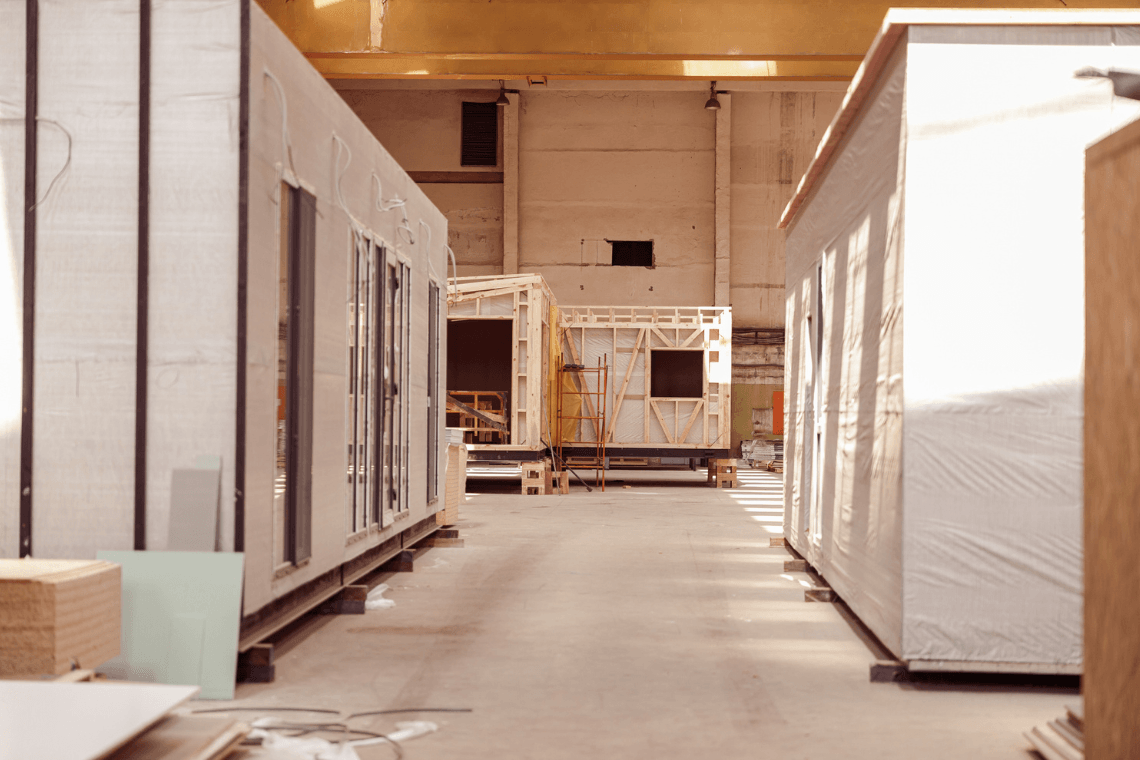
- Lower labor costs (factory-built)
- Reduced material waste
- Faster construction timelines
NAHB on efficiency & construction
However, customization, land costs, and site work can narrow the gap.
How Long Does It Take to Build a Modular Home?
- Modular homes are often completed in 2–6 months
- Traditional homes typically take 8–12 months or longer
Pros and Cons of Modular Homes
Pros
✔ Faster build times
✔ Potential cost savings
✔ High quality control (factory environment)
✔ Energy-efficient construction options
✔ Built to local building codes
Cons
✖ Land and site prep still required
✖ Upfront costs can add up quickly
✖ Financing and appraisal can be more complex in some cases
✖ Customization may be more limited than fully custom builds
Modular vs. Manufactured Homes: What’s the Difference?
This is one of the most common questions we hear.
| Feature | Modular Home | Manufactured Home |
|---|---|---|
| Built to | Local/state codes | Federal HUD code |
| Foundation | Permanent | Often non-permanent |
| Classification | Real property | Often personal property |
| Value over time | Can appreciate | May depreciate |
For context - The average cost of a manufactured home in the U.S. is around $120,000
Are Modular Homes a Good Investment?
For many buyers—especially first-time homeowners or those building in rural areas, the answer is yes.
Modular homes today offer:
- Comparable durability to traditional homes
- Modern layouts and finishes
- Strong resale potential when properly maintained
And in a market where housing inventory remains tight, they offer a more predictable path to homeownership.
Is a Modular Home Right for You?
A modular home could be a great fit if you:
- Want a faster move-in timeline
- Are building on owned land
- Value cost predictability
- Prefer a streamlined construction process
It may not be ideal if you:
- Want a fully custom architectural design
- Are building in areas with strict zoning or delivery challenges
Modular homes have come a long way, and in today’s market, they’re no longer just a budget option. They’re a practical, efficient, and increasingly popular path to homeownership.
If you’re considering building, understanding the full cost structure—and how financing works, is key to making the right decision.
Thinking about building a modular home?
At F&M Bank, we’re here to help you navigate every step, from land financing to construction loans, so you can move forward with confidence.